100
years of commemorating Black History
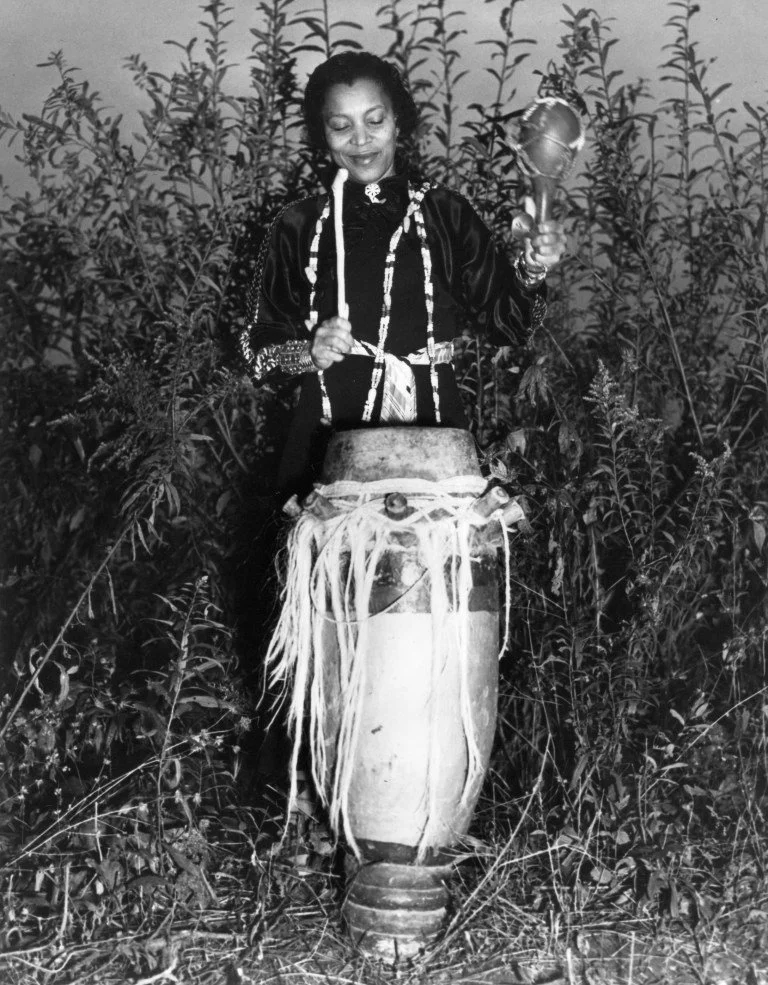
Zora Neale Hurston. This image is often circulated on the cover of books about DC’s literary history. I grew up fortunate enough to witness many printed versions of this image throughout my childhood.
one musing
Growing up in Washington, DC in the nineties means having the gift of learning from educators who cherished what became Black History Week in the 1970s.
And then their educators shared the days of growing up with the one-page bulletins, celebrating Negro History Week, established by Dr. Carter G. Woodson in 1926.
1926
commemorating Black History
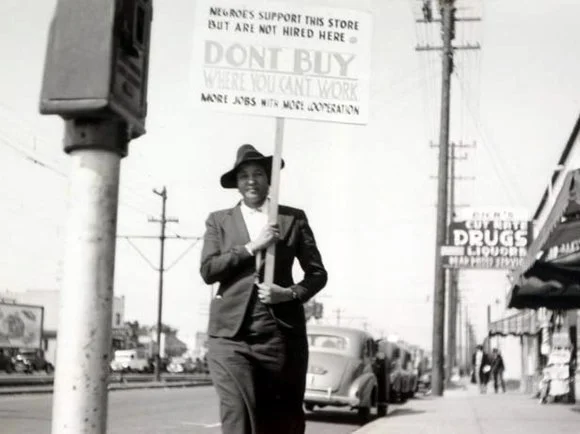
Frances Albrier leading the store picket, 1939
commemorating Black freedom
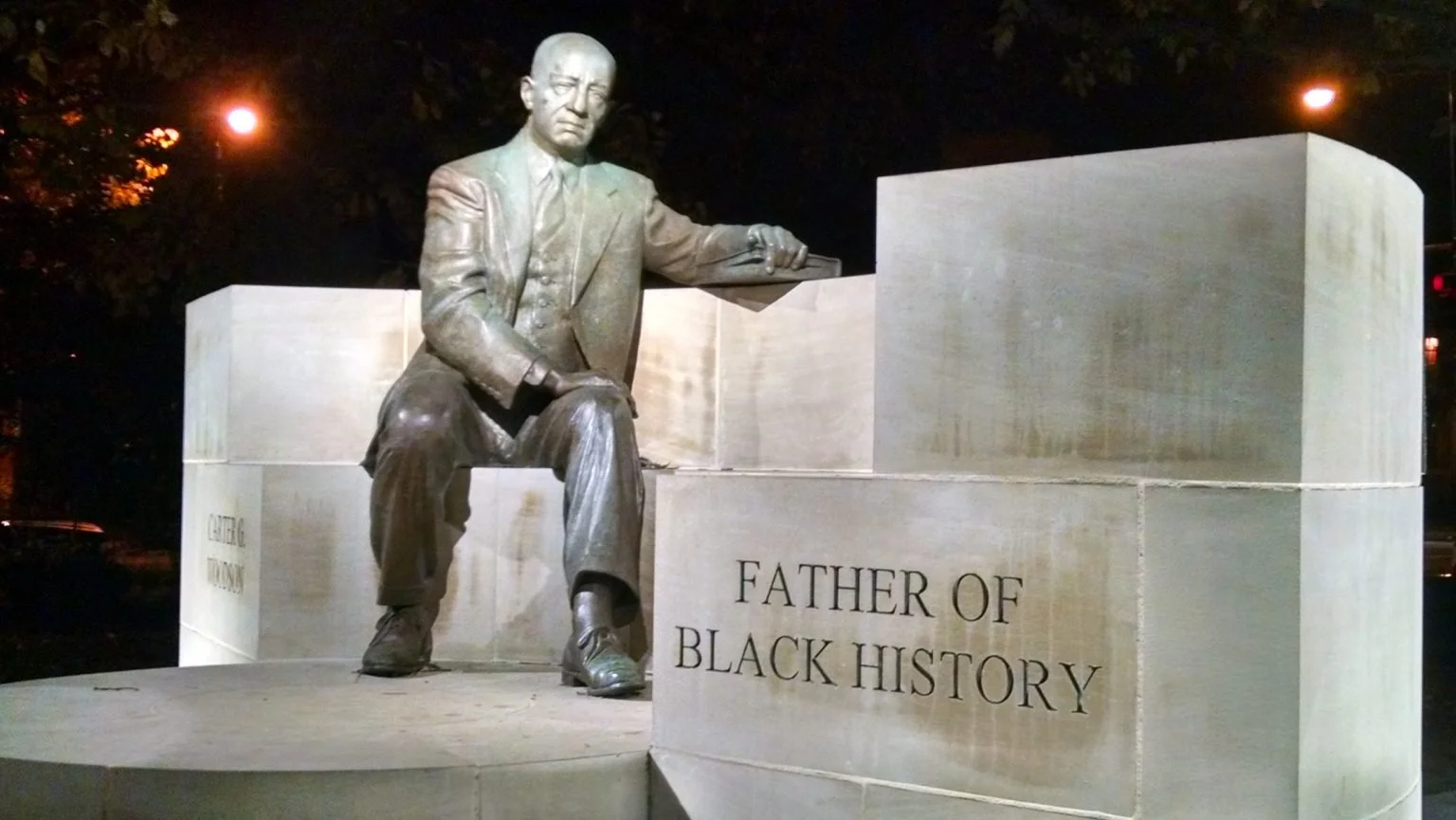
First, in 1926, Dr. Carter G. Woodson established Negro History Week as the founder of Association for the Study of Negro Life and History (ASNLH). (Fun fact: Langston Hughes would briefly join his office four years later in 1930 to support Woodson’s historicization of Black Americans).
Dr. Woodson wanted to recognize people who embodied his visions of freedom. For him, that meant honoring Frederick Douglass and Abraham Lincoln. Both of whom have birthdays in February.
In 2026, I continue to think about what embodies a sense of freedom for me during this moment.
I return to my early educators and, similarly, people who were in my neighborhood who were proud and fascinated by history in general—not history in the way that people are taught, history I think in the way Toni Morrison describes the past:
The past is not done and it is not over—it is still in process, which is another way of saying when it is critiqued, analyzed, it yields new information about itself. The past is already changing as it is being reexamined, as it is being listened to for deeper resonances. Actually, it can be more liberating than any imagined future, if you are willing to identify its evasions, its distortions, its lies, and are willing to unleash its secrets.
— Toni Morrison
I think about Frances Albrier, who was not a “maid” domestically, but a Pullman maid on the railroad. She worked side by side with porters. In her twenties, Albrier was encouraging Pullman porters and Pullman maids to join the Brotherhood of Sleeping Car Porters and Maids—founded in 1925—at a time when many people were very uncertain about joining because of the repercussions. Albrier went on to become an incredible civil rights advocate. Even so, her early revolutionary work less recognized.
2026
commemorating Black History
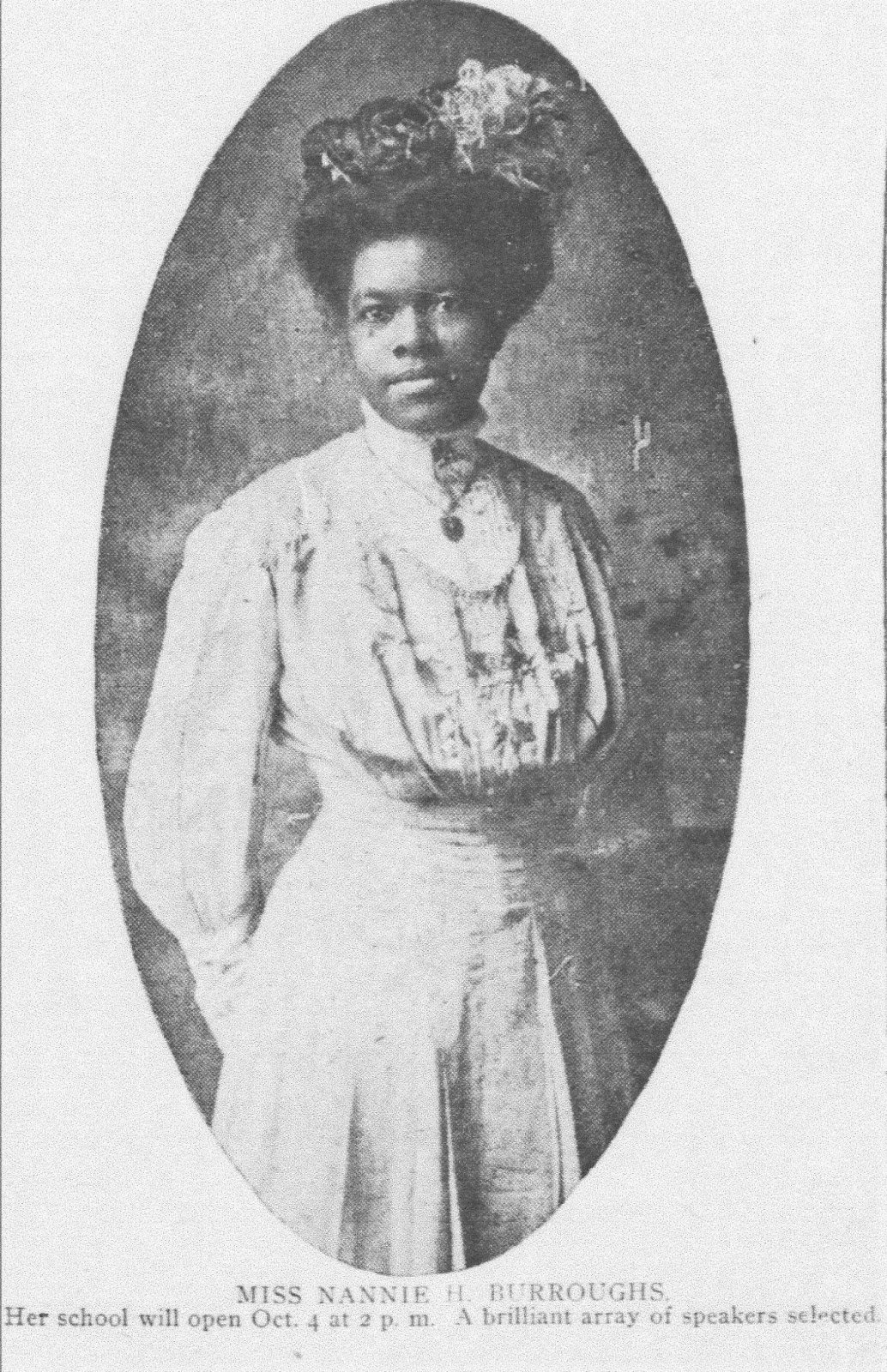
Nannie Helene Burroughs
commemorating Black independence
I think of Nannie Helene Burroughs who raised funds for her school within our local DC community. People from all walks of life told her that she had to ask outsiders, if you will, for money and she refused. She believed in Black communities to afford their own way. Even with earlier generations with similar calls to action that would that would proceed The African Nationalist Pioneer Movement (“Buy Black”), we have always had to figure out meaningful ways to garner support for initiatives such as Burroughs’ Trades Hall of National Training School for Women and Girls (which became National Training School for Women and Girls and is now The Nannie Helen Burroughs School). To this day, we work to preserve her memory here in Washington, DC.
100 years of Black History Month 100 years
100 years of Black History Month 100 years
What and whom embodies Freedom for you?
Maybe this has changed for you? At a new age? A new memory? A new future?
Sign up for Poetry with María Fernanda Newsletter