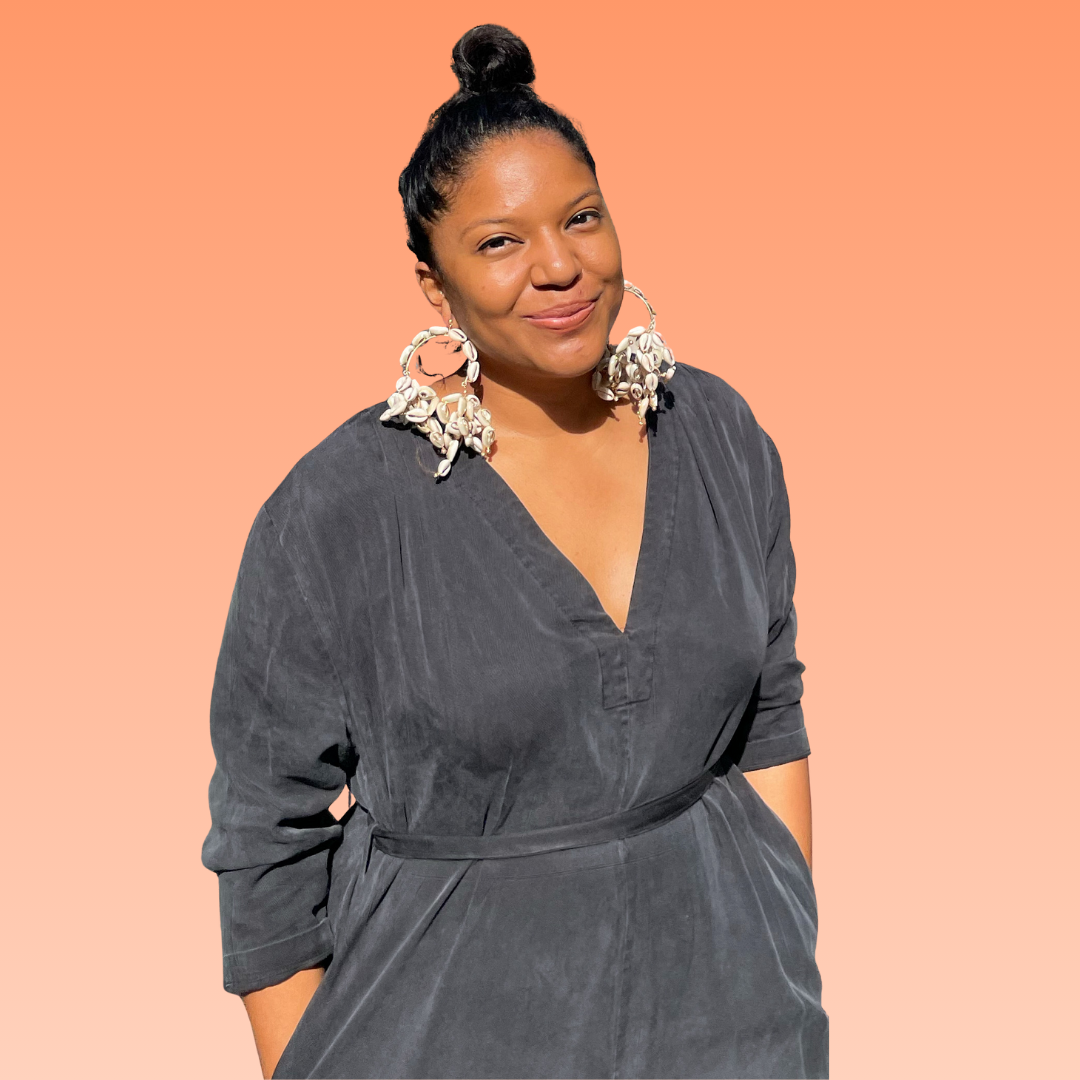
Read full interview here, originally published on Literary Liberation.
Sherisa: Tell us a bit about yourself. What draws you to teaching this particular area of writing?
María: Of course. So hi all, my name is María Fernanda. I’m a poet from Washington DC but I’m actually in Europe for a few months traveling around Greece, France, Brussels, Spain, etc. I’ve been doing a lot of poetry research and so a lot of this will also inform our class that we’re working on. So the class is called YEARS THAT ASK, and we’re actually going to be looking at vignettes. So maybe people have heard of vignettes as it relates to fiction or play or even film. A vignette is essentially creating a moment, creating an atmosphere so it’s not always like a plot that maybe in poetry we’re also used to seeing or hearing about a plot. We’ll be writing about different years in our lives. The title, YEARS THAT ASK—some people might recognize from Zora Neale Hurston’s book Their Eyes Were Watching God, chapter three. So I really want us to think about archive and how we think about our lives and how we reflect.
Sherisa: Thank you. What do you hope that participants will take away from the experience?
María: My hope is that participants will have a better sense of archiving their life. I’m hoping that people will think ‘hey, we’re going through a really interesting time—especially as people living on the globe at this moment.’ And so, how do we write about that? Not from a place of fear or from a place of constant reactionary speak, but more so from a ‘hey, every day of my life has prepared me for this moment in some shape or form. I’m born this time for a reason. How can I mold that?’ How can I work with everything that I’ve experienced to today? And I think that this is a really nice measured way to do it because the class is for a certain amount of time and people will really get a chance to get deep into the work.
Sherisa: Can you share a bit about what participants can expect during a typical session?
María: Absolutely. One of the things we’re going to do is we’re going to look at the different genres. So we’re only writing poetry to be clear. However, I love being inspired by other genres. So, one of the exercises, we’re actually going to look at a snippet of three different screenplays and by snippet, I mean a one pager. So, if you’re unfamiliar with the screenplay, you can fit three scenes in one page. And so I have an exercise that allows us to move through that in a smooth way and actually inspire us to write poetry. So, in the way they move in film, how does that influence how we write our poems?
Sherisa: How can someone prepare? Are there any readings, or materials, or mindsets that you recommend coming in with?
María: Absolutely. I think a lot of people would get a lot of inspiration from reading the beginning of Their Eyes Were Watching God. It is not mandatory. You can come in totally just on a whim. That is completely welcomed but Their Eyes Were Watching God is definitely where we’re going. If you want to look at Bhanu Kapil’s The Vertical Interrogation of Strangers—that’s a really book to look into for some inspiration. I think it’s an amazing book to read in general. So that’s something you could read either at the beginning or actually after you take the course. Definitely inspiring. Definitely moving. But the idea that I hope people walk away from is that when they return to their own writing process, they have another outlet. You know, I think writing, for me is: I started leading workshops and facilitating workshops because I wanted to share my research, but also I wanted it to support any writer’s career. So that’s always the goal. We’ll probably talk about concept books, theme books, and I’ll probably mention some of those you can read after. So not so much works before maybe, but hopefully a lot of rivers to follow after.
Sherisa: Lastly, because this is super like in and out, is why should someone sign up? What makes this class special or different from other learning experiences you feel?
María: I think this class is amazing because it lets you think about your life in a different kind of way. A lot of writing classes and exercises are about “we’re going to spend on hour thinking about that” or a workshop is like “let’s look at this one piece of research. This one poetic form,” and this workshop is not necessarily doing that. We might be using the vignette, but we are looking, we are exploring multiple forms in a short amount of time. We are also looking at inspiring you to use tools that are useful, even if you don’t write poetry.
So it’s for all writers, no matter what level you’re at. The idea is that you walk away excited to write again!
Sherisa: Thank you so much!


Press
Read about María Fernanda’s work.
“This is Your Poem: A Tribute to Nikki Giovanni” The Washington Post, February 9, 2025
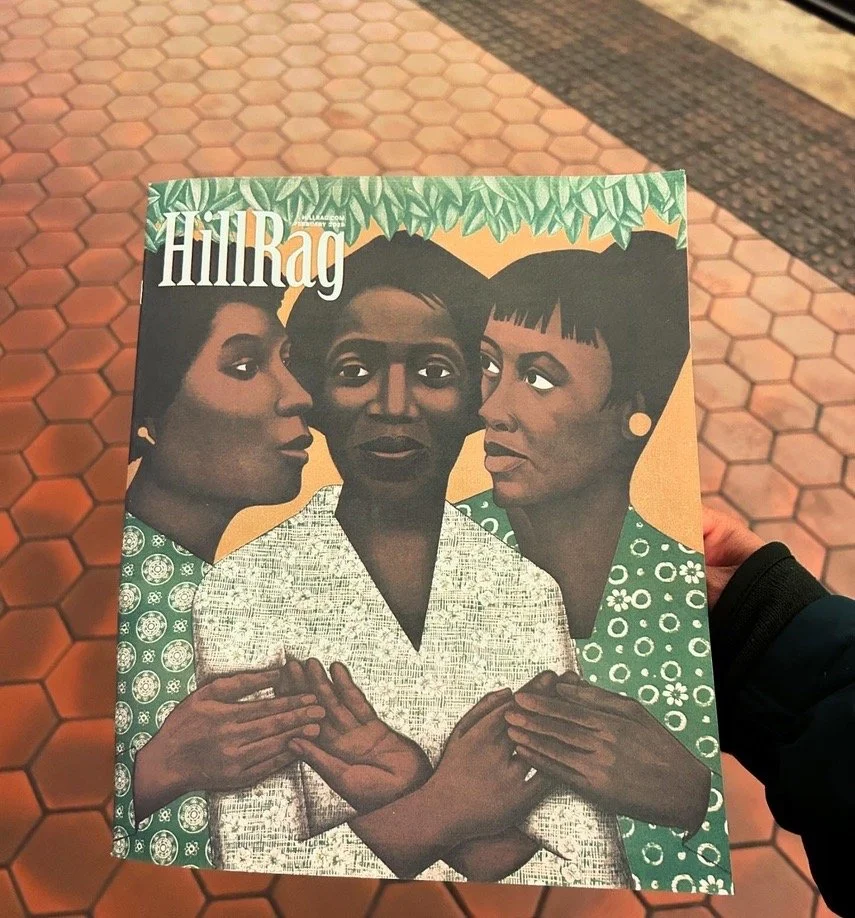
“Atlas Intersections Festival: Oye DC by Tintas DC, Hill Rag, February 2025
Beasley, Sandra “Poetic Hill Featuring María Fernanda,”Hill Rag, May 1, 2024
Collins, Sam P.K. “Middle School Students Complete Summer School with Project-Based Learning ,” The Washington Informer, June 30, 2024
SplitThisRock “SplitThisRock Announces 2021 Best of the Net Nominations”, News from SplitThisRock , October 29, 2021
Breeding, Lucinda “American verse: Film festival makes space for poetic Black voices”, Denton Record Chronicle, January 26, 2021
Rammelkamp, Charles “Soul Sister Revue”, North of Oxford, February 1, 2020
Kennedy, Ramzees “VOCÊ recap”, Medium, May 6, 2019 —
Isaad, Virginia “20 Afro-Latina Poets Discuss the Duality of Their Identities,” HipLatina , February 9, 2019
Madenga, Tadiwa “5 Afro-Latinx Poets You Should Know”, Okay Africa, August 23, 2018
Schindler, Paul “The Face of Pride is the Future”, Gay City News, June 21, 2018
Candelario, Carmen Rita “En Mi Piel, Colorism”, Mixta, October 14, 2017
Burgess, Tamika “Issue #14,” Es Mi Cultura Newsletter, November 2016
“Writer Crush Wednesday: FiveBoi”, Young Creative & Unemployed, January 7, 2015
Johnson, Troy D. “The Hurston/Wright Foundation Announces the Winners of the 2014 Legacy Award,”African American Literature Book Club, October 30, 2014
Lamolinara, Guy “Presidential Campaign Posters Subject of Book Discussion,” Library of Congress, June 13, 2012
Flyers
Flyers from previous announcements and performances.


